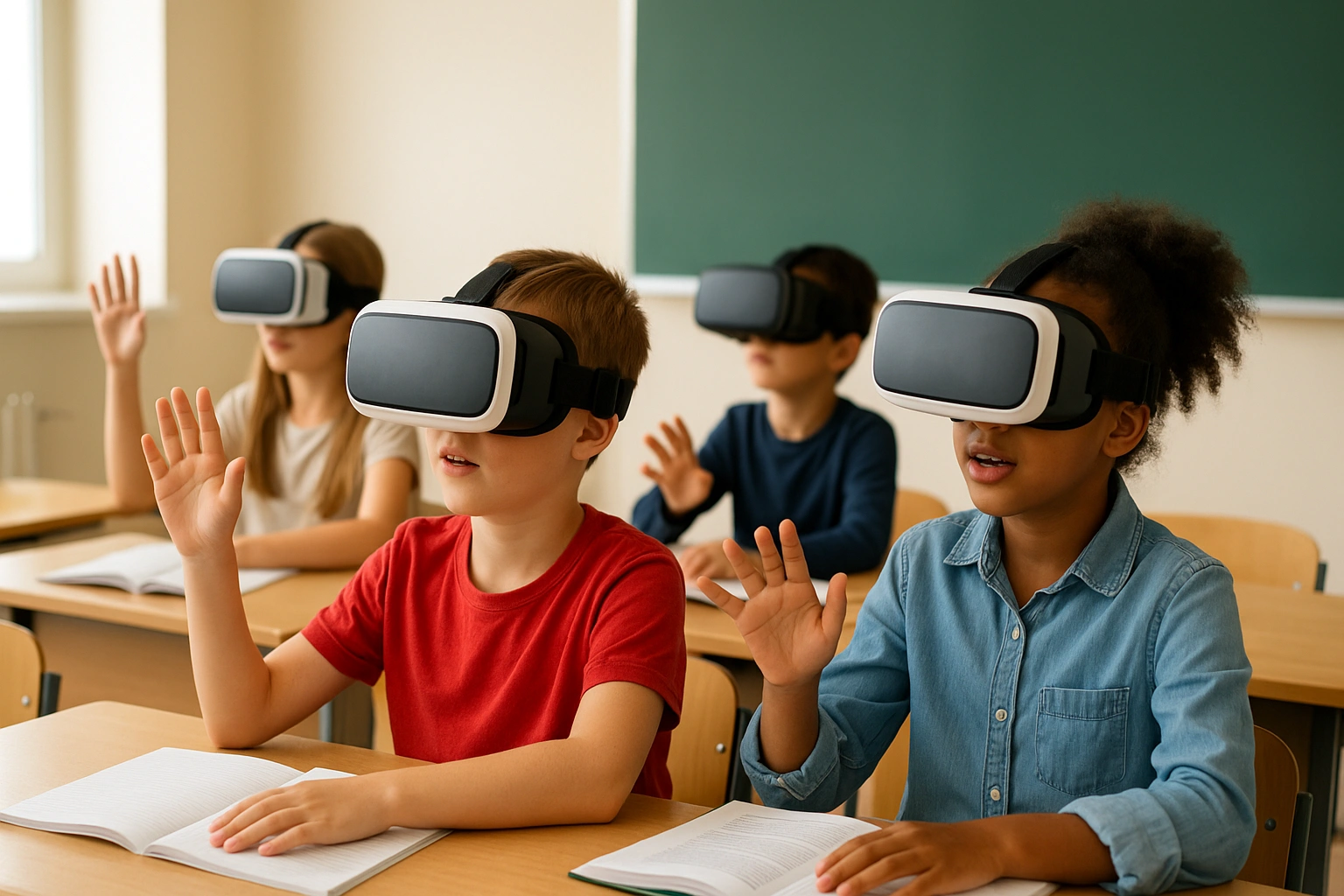
Looking for affordable VR headsets for schools? Our 2025 guide reviews the top VR headsets for schools and highlights budget-friendly options for K-12 education. These VR headsets for schools make immersive learning accessible without stretching school budgets. Discover how the best VR headsets for schools can transform classroom experiences and bring engaging, interactive lessons to every student.
Introduction
The promise of taking students on virtual field trips to the Amazon rainforest or inside a human cell is incredibly exciting. But for most schools, the biggest hurdle isn’t imagination—it’s the budget, which makes choosing the right VR headsets for schools essential. With tight funding, educators need practical ways to bring immersive learning to life, and affordable VR headsets for schools offer a solution. This guide navigates the crowded market of VR headsets for schools, highlighting durable and manageable options. By the end, you’ll have a clear roadmap to selecting the best VR headsets for schools for your students in 2025.
What Makes a VR Headset Good for Schools?
A VR headset for a school isn’t the same as one for a home gamer, which is why choosing the right VR headsets for schools is important. Educational devices like VR headsets for schools need to be durable enough for daily classroom use and simple for teachers to manage in bulk. Affordable VR headsets for schools allow wide deployment without straining budgets. Most of these VR headsets for schools are standalone, meaning they don’t require a powerful or expensive PC to operate.
The market for educational technology is booming. According to Statista, the global EdTech market is projected to reach over $400 billion by 2025, with immersive technology playing a key role. The trend is moving away from complex, tethered headsets toward simple, all-in-one solutions that a teacher can set up in minutes, making **budget VR for education** a tangible reality.
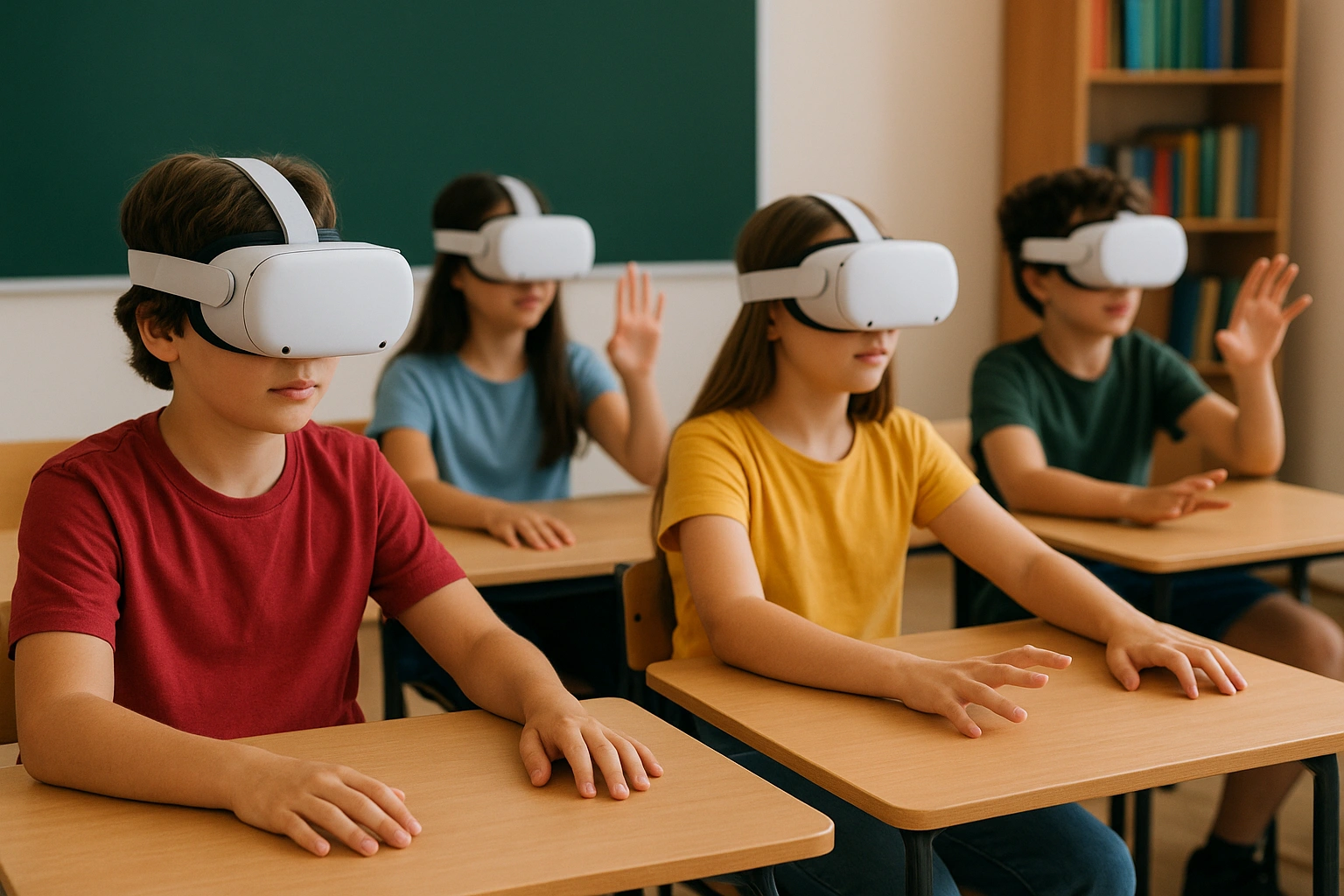
Why Choosing the Right Headset Matters
Selecting the right hardware is the foundation of a successful VR program. The decision impacts budget, usability, and ultimately, the learning outcomes.
Balancing Cost and Capability
The most expensive headset isn’t always the best for a classroom. The goal is to find a device that offers a high-quality immersive experience without unnecessary features that drive up the price.
- Example: A standalone headset with a good screen and processing power is more valuable than a high-end PC VR headset that only a few students can use.
- Benefit: Maximizes the number of students who can access VR, ensuring more equitable learning opportunities.
Ensuring Student Safety and Comfort
A good classroom headset should be lightweight, adjustable for different head sizes, and have easy-to-clean surfaces. Comfort is key to preventing VR sickness and ensuring students stay focused on the lesson.
- Example: Headsets with wipeable facial interfaces and balanced weight distribution are ideal for shared use.
- Benefit: Creates a positive and comfortable experience, encouraging students to engage with the technology.
Streamlining Classroom Management
Managing 30 individual headsets can be a nightmare. The **best classroom VR** solutions come with device management software that allows teachers to launch apps, monitor student progress, and guide the experience from a central tablet or computer.
- Example: A teacher can use a dashboard to simultaneously start a virtual tour of the Great Wall of China on every headset in the room. For more on educational tools, see our guide to [education chatbots](https://tecknonews.com/education-chatbots/).
- Benefit: Saves valuable instruction time and keeps the entire class on the same page.
Core Features of VR Headsets for Schools
When evaluating budget VR for education, focus on these key technical specifications and features.
- Standalone vs. PC VR: For almost all school use cases, standalone headsets are the answer. They are self-contained, portable, and don’t require external computers or sensors.
- Resolution and Field of View (FoV): Higher resolution means a clearer, more realistic image. A wider FoV makes the experience more immersive. Look for a good balance in a budget-friendly device.
- Content Library & Management: Check what educational apps are available for the headset and if it supports a robust device management platform for classroom use.
- Durability and Ergonomics: Look for sturdy construction and simple, adjustable straps that can withstand the rigors of a classroom environment.
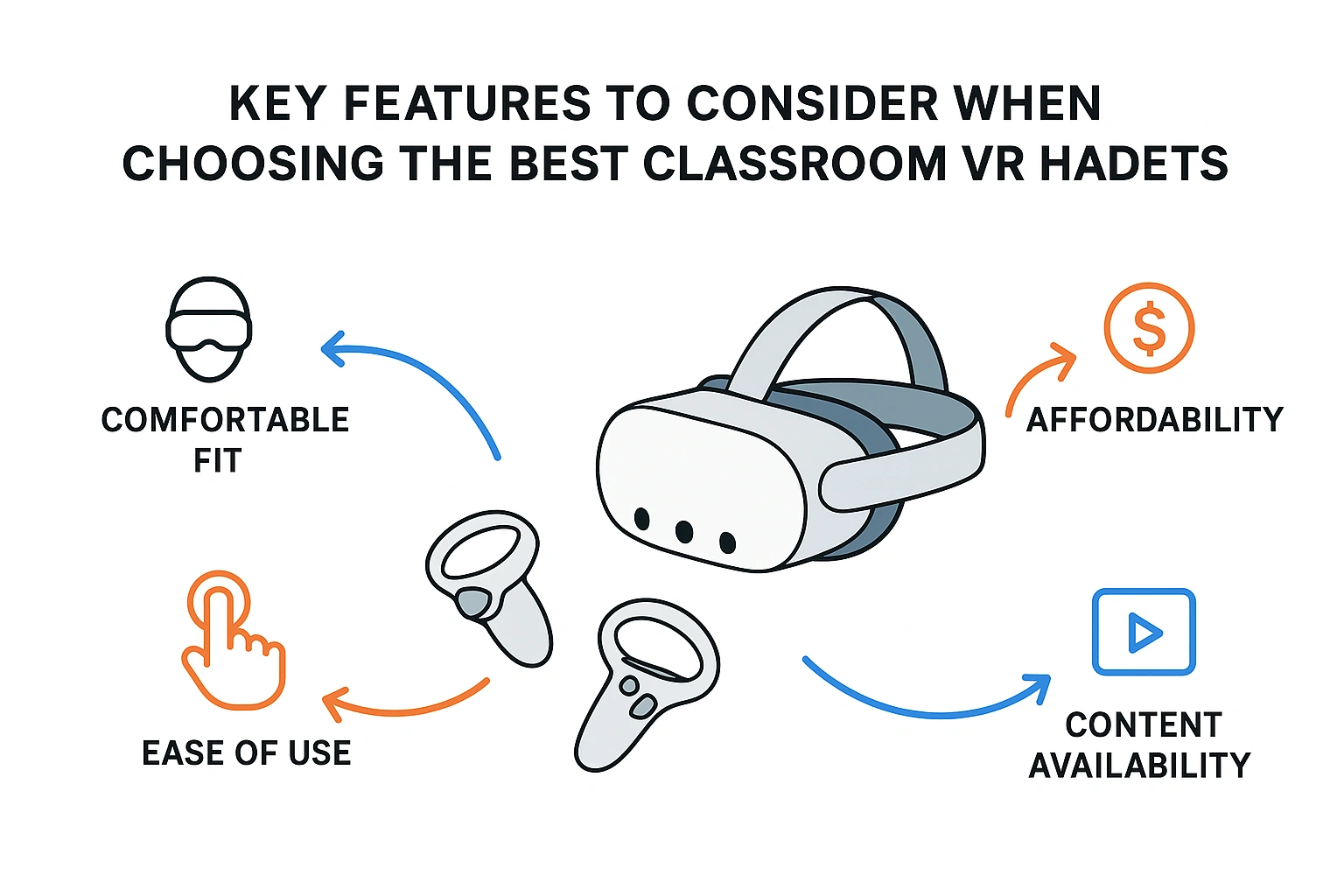
Product Spotlight: Meta Quest 3 for Education
One of the most popular choices for schools in 2025 is the **Meta Quest 3**. While known as a consumer gaming device, its affordability, high-quality visuals, and standalone nature make it a strong contender for the classroom, especially when paired with a device management solution.
I tested the Quest 3 with the popular educational app *Wander*, which uses Google Street View data to let you explore anywhere in the world. The clarity of the “pancake” lenses and the full-color passthrough (which lets you see your real surroundings) were impressive. A teacher could easily guide students on a virtual tour while still being aware of the physical classroom. The setup was simple, and the large library of free and low-cost educational content is a huge plus for schools on a budget.
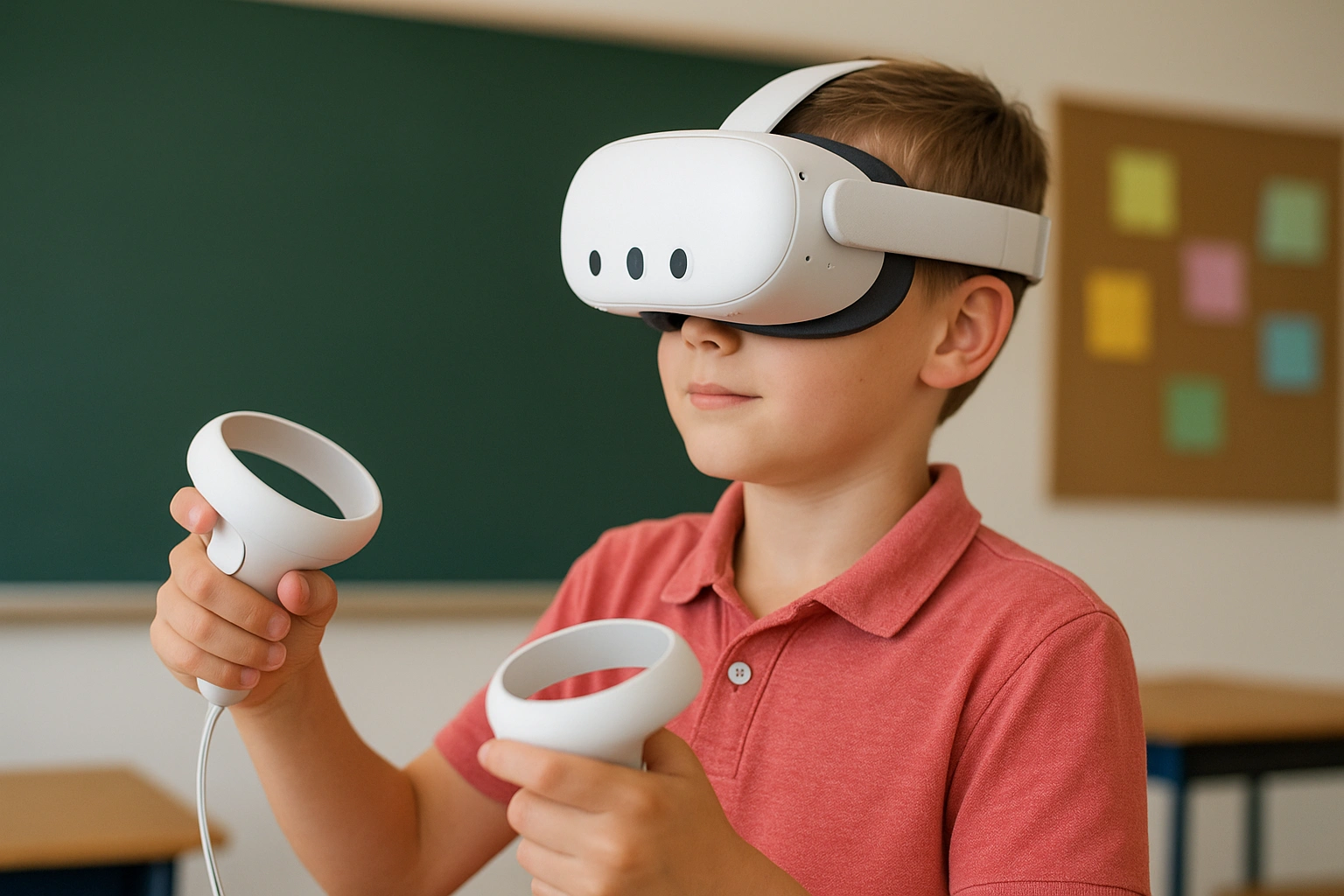
Pros & Cons Table
| Pros | Cons |
|---|---|
| ✅ Excellent performance for the price | ❌ Consumer focus requires a third-party management solution |
| ✅ High-resolution display and color passthrough | ❌ Battery life can be a limitation for long classes |
| ✅ Massive library of educational content | ❌ Durability may be a concern without protective cases |
Comparison of Affordable VR Headsets for Schools (2025)
Here’s how the top K-12 VR devices compare for classroom use.
| Headset | Key Features | Pros | Cons | Best For |
|---|---|---|---|---|
| Meta Quest 3 | High-res display, color passthrough, large app library | Great value, versatile | Needs management software | Schools wanting the best visual quality on a budget. |
| Pico 4 Enterprise | Built-in device management, balanced ergonomics | Classroom-ready, comfortable | Smaller content library | Districts needing an all-in-one, manageable solution. |
| ClassVR | All-in-one solution with curated content and portal | Extremely easy for teachers | Lower specs, subscription model | Elementary schools and teachers who want a simple, plug-and-play system. |
Common Mistakes to Avoid When Buying VR for Schools
Avoid these costly errors when investing in classroom VR:
- Forgetting Hidden Costs: Budget for charging stations, protective cases, cleaning supplies, and software licenses.
- Ignoring Device Management: Buying consumer headsets without a plan to manage them will lead to chaos.
- Lack of a Clear Goal: Don’t buy headsets just to have them. Have a clear plan for how they will enhance the curriculum.
- Not Involving IT: Ensure your school’s Wi-Fi network can handle dozens of headsets streaming content simultaneously.
- Skipping the Pilot Program: Test with one classroom set before making a district-wide purchase.
Expert Tips & Best Practices
Follow these tips for a smooth and successful VR implementation:
- Start with a Mobile Cart: A secure, rolling charging cart makes it easy to share a set of headsets between classrooms.
- Prioritize Standalone Devices: Avoid the complexity and cost of PC-tethered VR.
- Look for Educational Bundles: Many manufacturers offer bundles for schools that include headsets, cases, and management software.
“The best classroom VR program isn’t about having the most powerful hardware. It’s about having reliable, manageable devices that teachers actually feel comfortable and confident using in their lessons.”
Frequently Asked Questions (FAQ)
Q: How many VR headsets do I need for a classroom?
A: You don’t necessarily need one for every student. Many schools start with a “classroom set” of 10-15 headsets and use them for station rotation activities or small group work.
Q: What is the best budget VR for education?
A: The Meta Quest 3 currently offers one of the best balances of price, performance, and content availability, making it a strong choice for schools on a budget.
Q: Are there health and safety concerns with K-12 VR devices?
A: Yes, it’s important to ensure a clear, safe space for use. Keep sessions short (15-20 minutes) to prevent eye strain or motion sickness, and ensure proper hygiene by cleaning headsets between users.
Conclusion
Bringing virtual reality into the classroom is more accessible and affordable than ever before. By focusing on manageable, durable, and cost-effective **VR headsets for schools**, educators can unlock the incredible potential of immersive learning without straining their budgets. The key is to choose the right tool for the job—a device built for the unique demands of the educational environment. As you plan your school’s journey into immersive tech, keep exploring resources like TecknoNews and WIRED to stay informed on the latest trends.